Seven Dead After Prison Riots in South Carolina
Here’s what you’ll find on today’s show:
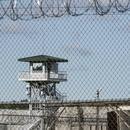
— Seven inmates were killed and 17 more injured in a series of fights that broke out at a maximum security prison in South Carolina on Sunday night. Lee Correctional Institution, which houses 1,500 male inmates, has a history of violence; its former warden calls it the most dangerous prison in South Carolina. Corrections officers declined to intervene in the brawl for four hours from the start of the incident.
— A diminishing supply of opioid drugs for hospital use is forcing physicians to improvise, potentially putting patients at additional risk, according to medical professionals. While hospital pharmacists are working around the clock to find second-choice pain alternatives, doctors are resulting to prioritizing patients and administering new pain-killer protocols, which increase the possibility of dangerous medical errors.
— The photographs of war are often grim, desperate images of destruction and chaos; those of grief, displacement and loss portraying the victims of these atrocities, but one British photographer is hoping to reshape the narrative. Photojournalist Anastasia Taylor-Lindtraveled to the border of Bangladesh and Myanmar to photograph Rohingya refugees for Human Rights Watch, and she says she had never seen anything like it in her 15-year career. Instead of repeating the images that often come from atrocities like these, she chose to change the way she photographed the victims with the hope that it will change how those looking in from the outside view conflict.
— In one of the largest ever recall of eggs, Rose Acre Farms ordered 206 million eggs off the consumer shelves after health officials traced a salmonella outbreak to one of its farms in North Carolina. The product is the second major recall this year, with a separate warning out to consumers of romaine lettuce because of E. coli that has spread across seven states.