Public radio’s longest-running daily global news program.
©2026 The World from PRX
PRX is a 501(c)(3) organization recognized by the IRS: #263347402.

More than 170 people have been released from Venezuela’s prisons under a new, highly publicized amnesty law. But that doesn’t cover everyone, including soldiers and exiled political leaders, in a sign that there is a limit to how much dissent the government will tolerate.
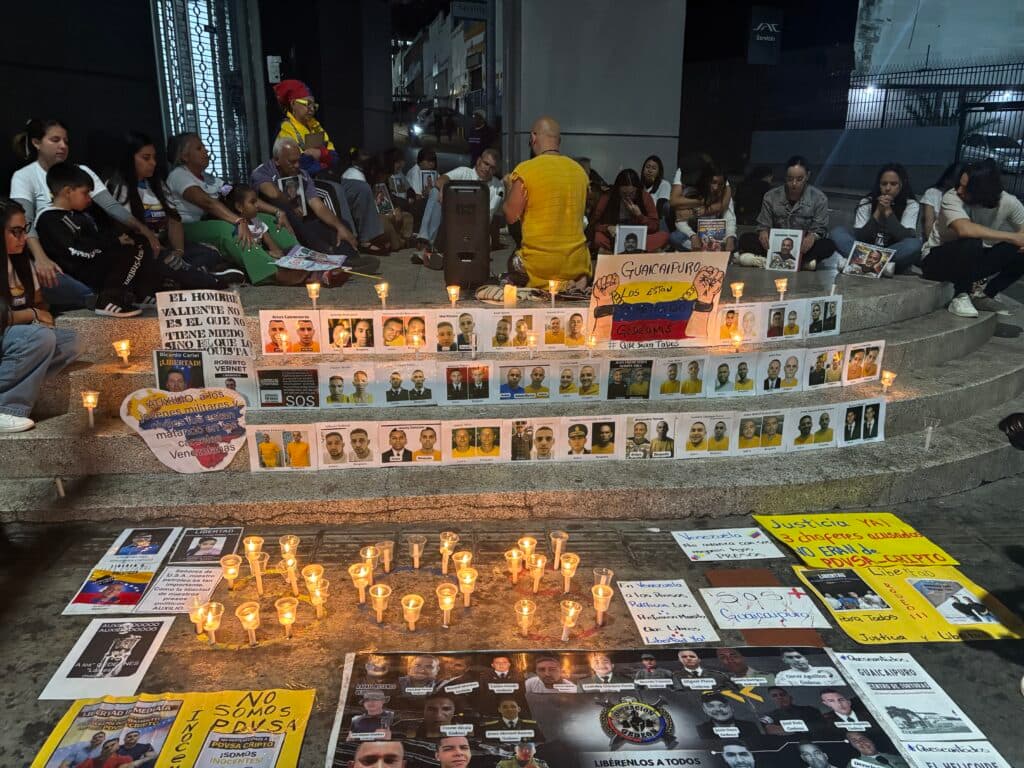
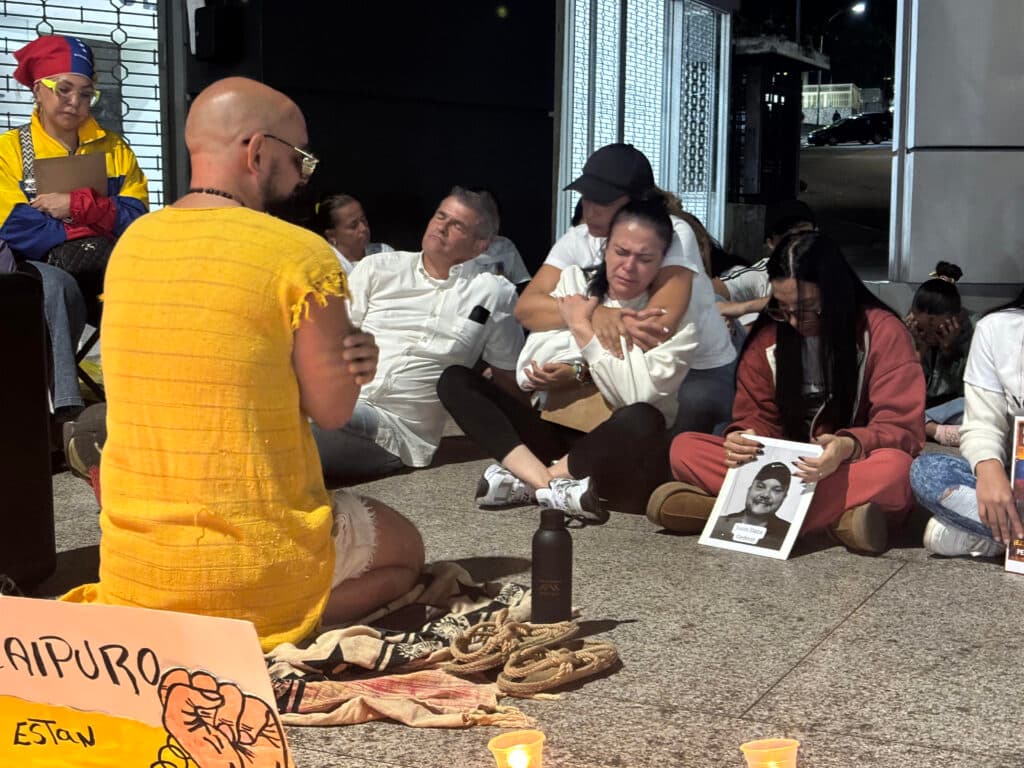
Relatives of Venezuelan soldiers who have not qualified for the amnesty law, hold a vigil demanding their release outside the Helicoide prison in Caracas, Feb 22, 2026.
Outside the Helicoide prison in Caracas activists in white shirts light candles and say a prayer.
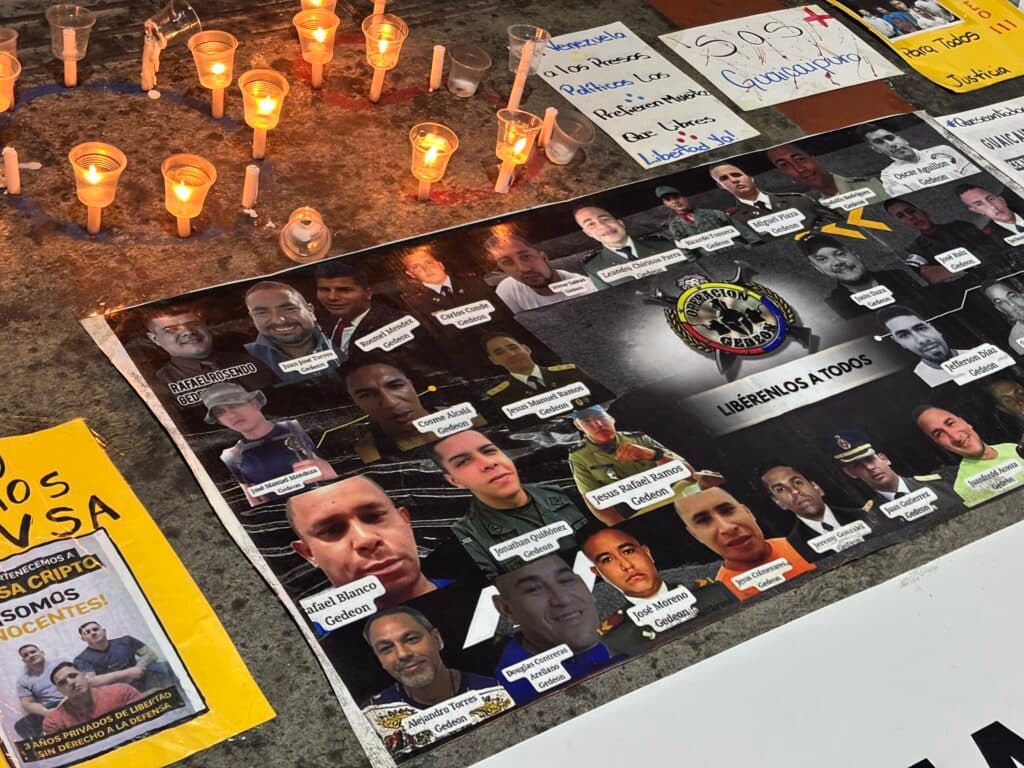
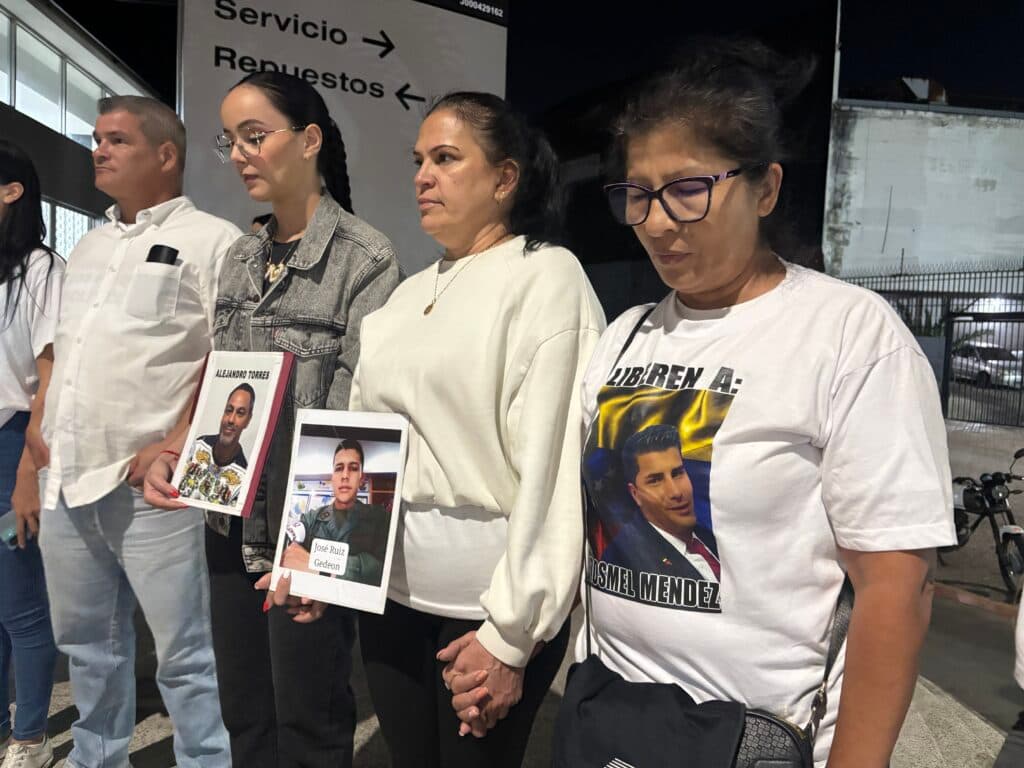
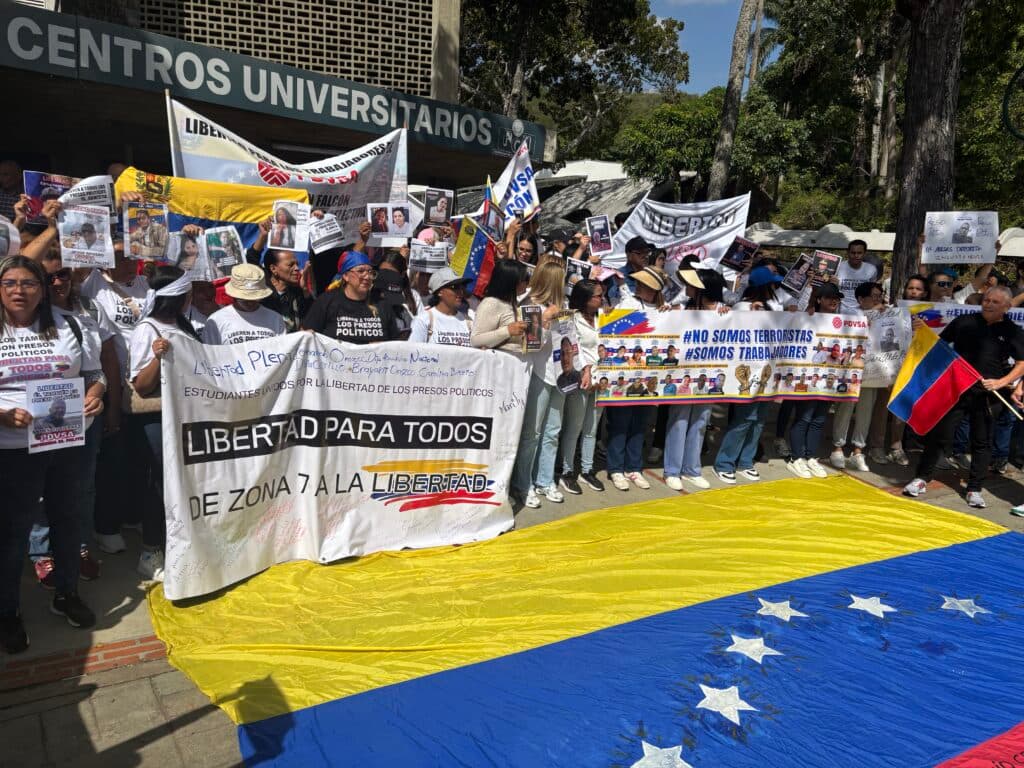
They carry photos of dozens of people who were charged with treason under ousted Venezuelan President Nicolas Maduro’s rule, and who are still being held in various prisons, despite an amnesty law signed recently by the country’s acting President Delcy Rodríguez.
“We had a lot of hope with the amnesty law,” said Mariana Pulido, the wife of Jesus Reverol. Her husband is a naval officer who has been in prison since 2022 — accused of attempting to kidnap a relative of Maduro’s. “We feel like the government has tricked us,” she said.
According to Venezuelan officials, more than 170 people have been released from the nation’s prisons since Feb. 19, when Rodriguez signed the highly publicized amnesty law.
Legislators aligned with Venezuela’s government have described the amnesty as a major step towards national reconciliation and democratization, following the removal of Maduro by the US military last month. But dozens of imprisoned soldiers and exiled political leaders have been excluded from the amnesty — in a sign that there is a limit to how much dissent Venezuela’s new government will tolerate.
Many of those who have been holding protest vigils outside the Helicoide prison are the wives and mothers of soldiers who have been accused of participating in various plots against the Venezuelan government.
Their husbands and children have not qualified for the amnesty, which is designed mainly for civilians who were arrested for leading anti-government protests.
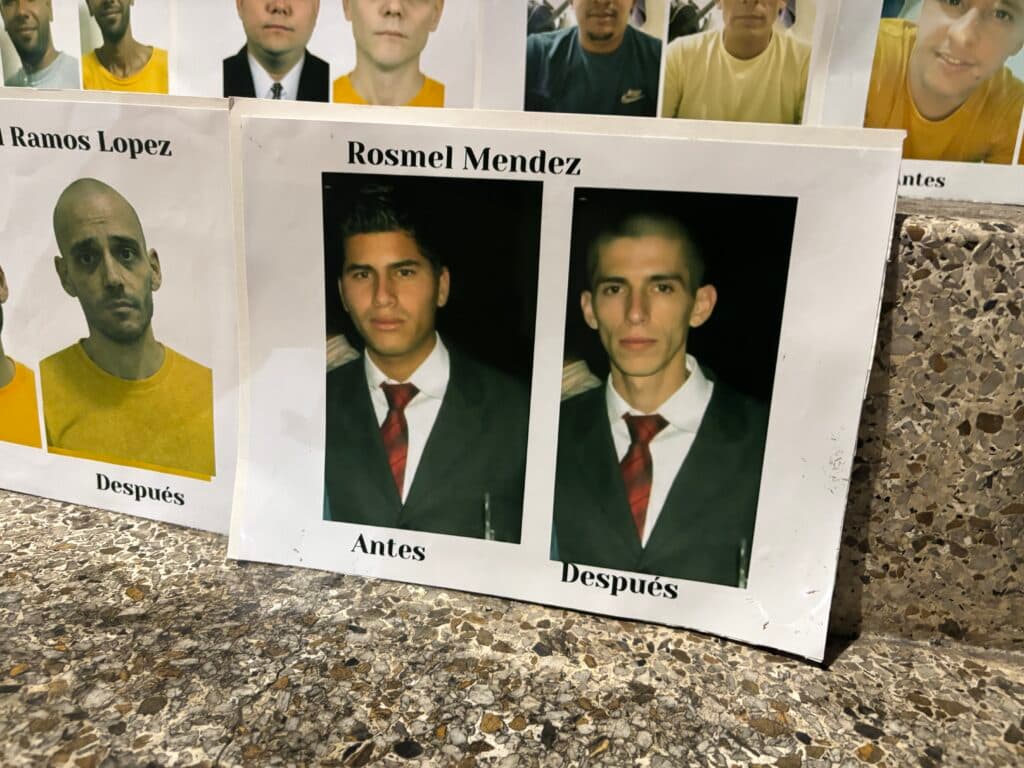
“For the relatives of imprisoned soldiers, this law has been a slap in the face,” Gloria Morales said.
Her son, Rosmel Mendez, has been in prison for five years, accused of participating in a plot known as Operation Gideon, in which a group of mercenaries and retired soldiers tried to capture Maduro after reaching Venezuela on small boats.
Morales said that her son, a military police inspector, was caught because he was on a fishing trip, close to where the assault took place.
“They got him barefooted, without any weapons on him,” she said.
Despite the scant evidence, Mendez and several others who were accused of participating in the plot have been sentenced to 30 years in prison.
“It’s less about the crimes these individuals may have done or not, and more about sending the message that dissent is not to be tolerated inside the military,” said Geoff Ramsey, a Venezuela analyst at the Atlantic Council.
He said that Venezuela’s new government, which Maduro’s aides run, is still trying to appease military officials — who are not happy with the release of dissidents.
“There is an internal culture within Venezuela’s armed forces that is not kind to individuals who are accused of betraying the ruling party,” Ramsey explained.
Many of Venezuela’s exiled opposition leaders have also been excluded from the amnesty, meaning they could be imprisoned if they return to the country.
A clause in the new law says that people who have “supported or promoted attacks on Venezuela, led by foreign powers” don’t qualify.
Officials from Venezuela’s ruling party say that includes opposition leader Maria Corina Machado — who issued multiple statements supporting the US naval buildup in the Caribbean that preceded Maduro’s ouster, though she never explicitly called for an attack on Venezuela.
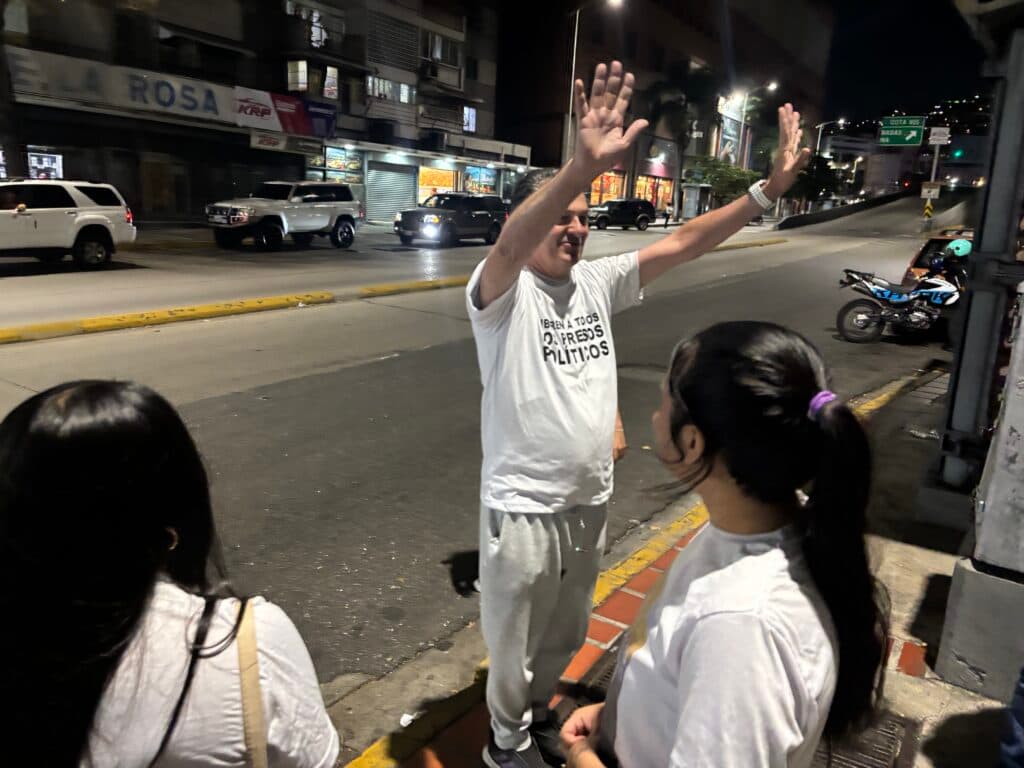
“I wish there was a way for everyone to return,” Jorge Arreaza, a member of Venezuela’s ruling party who helped design the amnesty law, said on a national television program.
“But the [exiles] would need to hold an act of contrition … and ask for forgiveness” he added.
Pedro Urruchurtu, the international relations director for Machado’s political party, Vente Venezuela, said that Venezuela’s ruling party is just trying to ban those who beat them in the last election.
Maduro claimed he won the July 2024 election and held onto power with the support of the nation’s military, despite overwhelming evidence that he lost the vote to the opposition’s main candidate by a 2-1 margin.
“They are using this so-called law as a tool to avoid the real opposition, the real leadership who has legitimacy, from coming back to the country and doing politics on the ground,” Urruchurtu said.
Urruchutu is wanted by Venezuela’s authorities for terrorism and treason.
To return to the country, he would need to ask a judge to rule whether he qualifies for amnesty and seek a pardon for his supposed crimes.
He said that’s not going to happen.
“We are innocent people … we don’t have to recognize anything,” he said.
But exiles like Urruchurtu have limited leverage over Venezuela’s government.
Their ability to return to the country and participate in politics still depends largely on the Trump administration, Ramsey said. And it could take some time for the US government to pressure Venezuela to open up its political system.
“Democratization doesn’t appear like it’s a top priority for the Trump administration in Venezuela right now,” Ramsey said. “The conversation seems much more focused on guaranteeing stability and security and advancing American energy interests.”
However, Venezuela’s leadership has not entirely ruled out the prospects of greater freedoms. Last week, President Rodriguez told legislators to create a committee that will review cases excluded from the amnesty law.
“Eventually, I do think that Caracas is going to come under greater pressure from Washington on this issue,” Ramsey said.
Outside the Helicoide prison in Caracas relatives of the jailed soldiers are now hoping for a presidential pardon.
For 50 consecutive days, they have been holding vigils to seek their freedom.
“I don’t understand why the government will not release them,” said the imprisoned soldier’s mother Gloria Morales. “But we will stay here, trusting that God does something for our cause.”