Public radio’s longest-running daily global news program.
©2026 The World from PRX
PRX is a 501(c)(3) organization recognized by the IRS: #263347402.

Following US strikes on Venezuela and the deposing and detention of President Nicolás Maduro, the Trump administration is hoping to revive the country’s oil industry. Experts and former Venezuelan oil executives, however, say that rebuilding the industry will take more than grand claims from the White House.
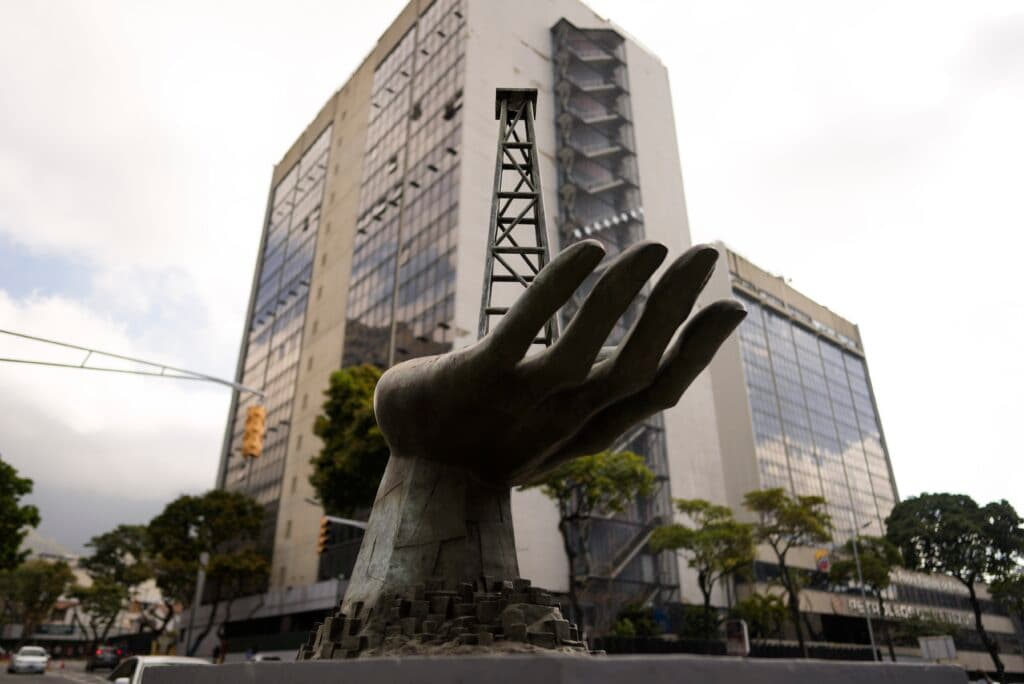
A local walks past a mural featuring oil pumps and wells in Caracas, Venezuela, Jan. 6, 2026.
For decades, Venezuela’s oil industry was a major force in global energy, ranking among the world’s largest oil producers and employing tens of thousands of highly trained professionals.
Jorge Robles was one of them.
“It was like a first-world company in a third-world country,” Robles said from Alberta, Canada, where he now runs an oil-engineering consulting firm. “There were things we were doing back then that were better than what I’ve seen in Canada and the US in terms of how you [administer] the business.”
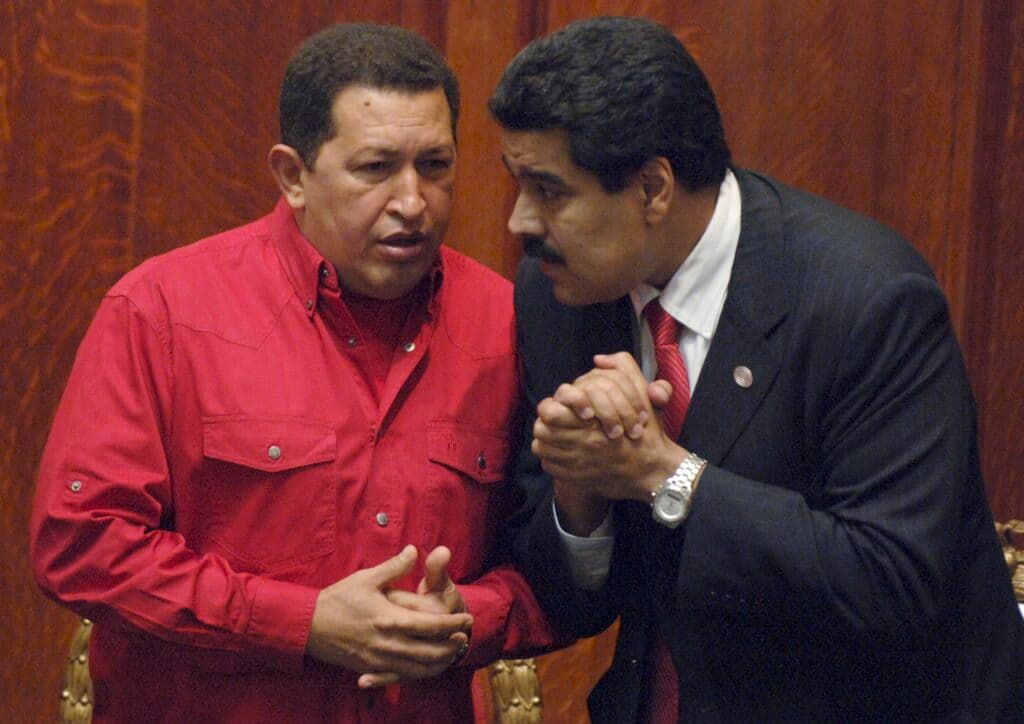
That culture did not survive Venezuela’s political transformation under former Venezuelan President Hugo Chávez. Beginning in the early 2000s, Chávez sought to bring the national oil company, PDVSA, under political control, Robles said, replacing veteran managers with loyalists and steering the company toward ideological goals rather than technical ones.
“When things got political at PDVSA, that was the beginning of the end,” said Rafael Ramirez, another former PDVSA executive. He said executives and employees pushed back, joining protests and a national strike.
That strike ended up in a failed coup against Chavez in 2002. What came next was hundreds of PDVSA employees getting fired, including Ramirez and Robles.
“They didn’t just fire us,” Robles said. “They blacklisted us. They literally sent letters to major global oil companies saying ‘Don’t hire these people that we fired.’” Even so, it didn’t take long for Robles to find a new job at an oil company in Canada. And he left Venezuela for good.
Two decades later, the country is still feeling the effects of all this. Venezuela is producing only a fraction of the oil that it once did. Meanwhile, the country’s oil infrastructure has been falling apart for years. And US President Donald Trump says he wants to fix that. The US conducted airstrikes on Venezuela on Jan. 3, deposing and detaining President Nicolás Maduro, who is now facing trial in New York. Trump now wants American oil companies to return to Venezuela to operate under US direction.
Former Venezuelan executive Eddie Ramirez said that maintenance and investment nearly stopped at PDVSA after things got political at the company under Chavez.
In 2019, US sanctions on Venezuela’s oil business made things worse. The country was forced to sell on the Black market — or to distant buyers, like China and Russia, often at a discount.
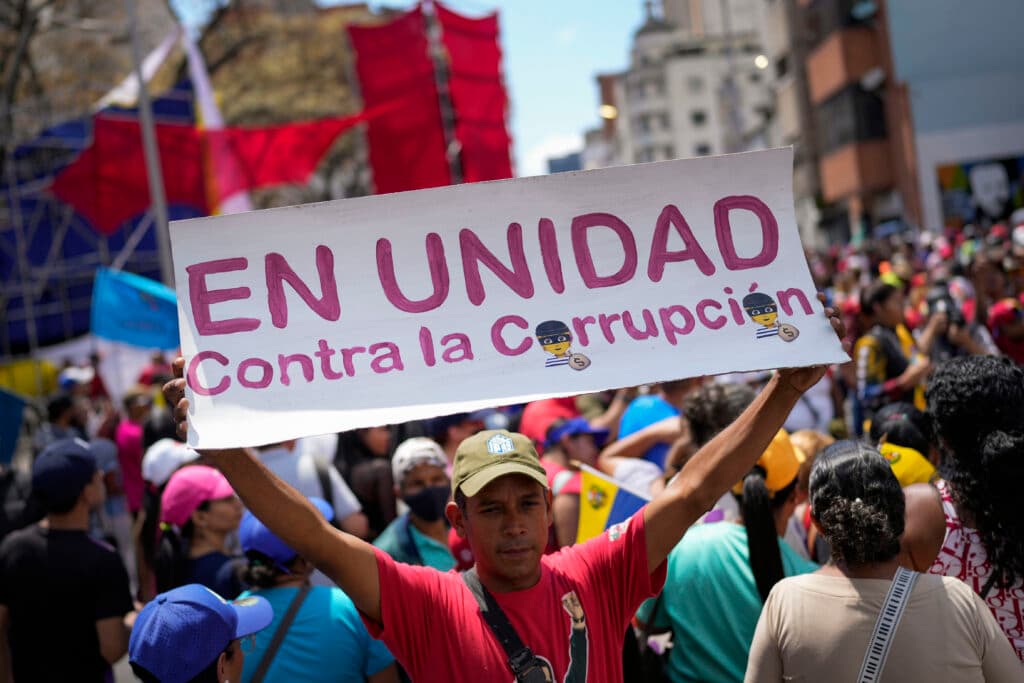
Over time, Venezuela’s state-run oil company also became a vehicle for corruption. Investigative journalist Roberto Deniz said money disappeared into murky schemes and political favors. “A network of financial operators, middlemen, and so-called businessmen who grew rich off Venezuela’s oil trade.”
But Trump hopes all of that will change.
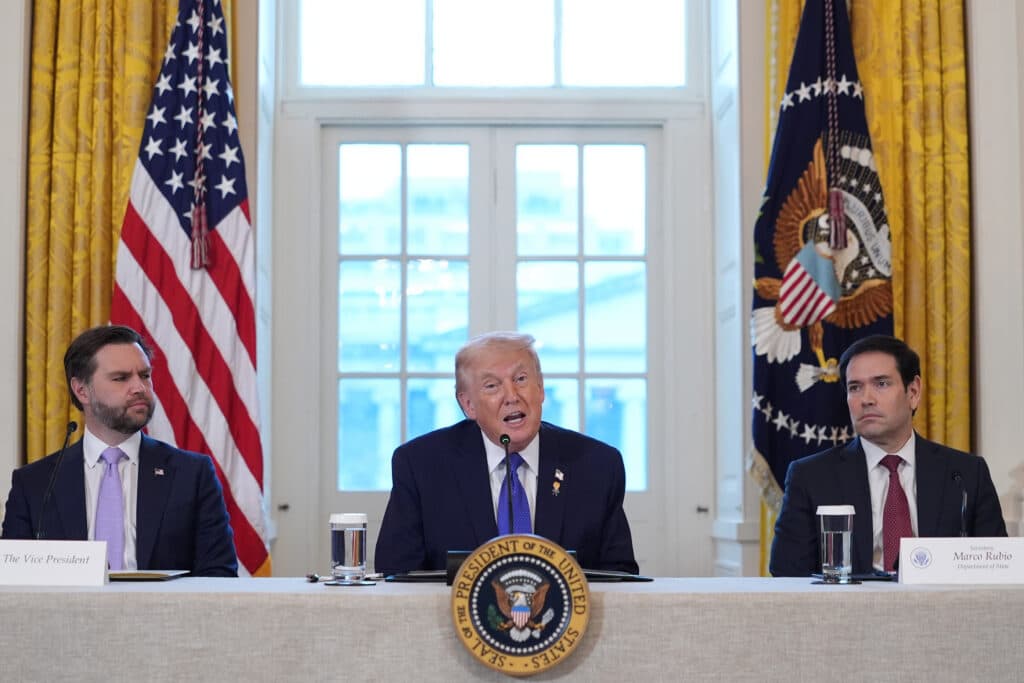
“We’re going to have our very large United States oil companies, the biggest anywhere in the world, go in, spend billions of dollars, fix the badly broken infrastructure, the oil infrastructure, and start making money for the country,” Trump said at a recent press conference.”
Experts, however, are not so sure about that.
Daniel Sternhoff, a senior fellow with the Columbia Center on Global Energy Policy, said there are many opportunities, but also important risks.
“The infrastructure is simply dilapidated. You don’t have adequate power. You don’t have processing facilities. You don’t have personnel,” Sternhoff said. “There are a lot of things that have to come first before, I think, you’ll see a willingness to invest.”
But, he added, that politics is still the biggest obstacle. “We have a great deal of uncertainty around who is in control of Venezuela and how long they will be in control.”
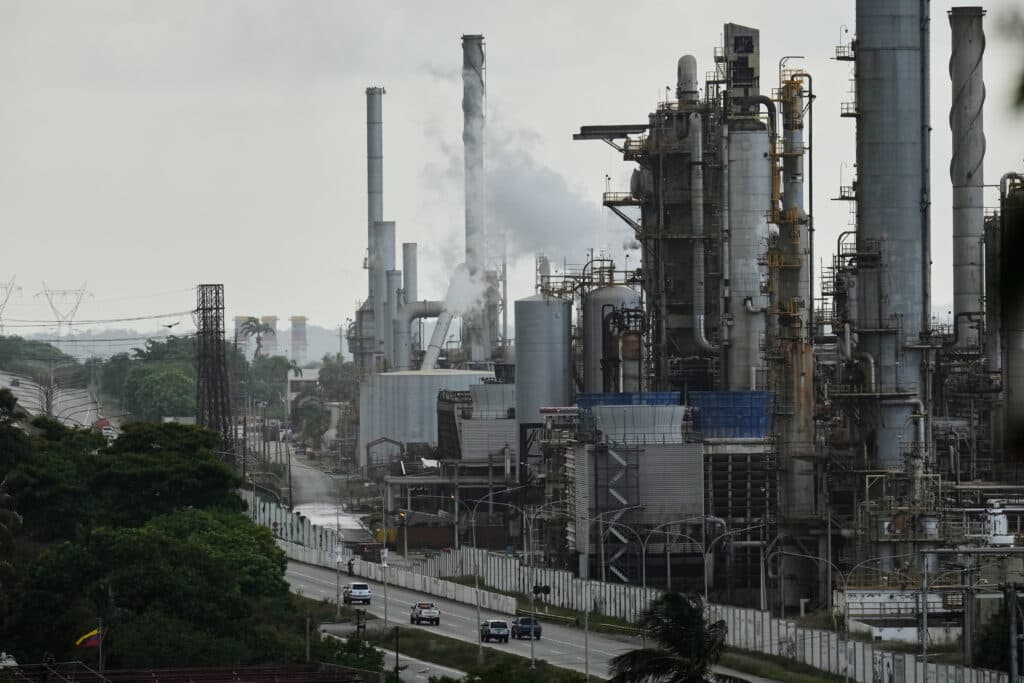
Big foreign oil companies have outstanding legal claims in Venezuela. And they’re still fighting for compensation.
Trump has said the US will now control Venezuela’s oil revenues and will distribute them in a way that benefits the American and the Venezuelan people, but Sternhoff says it’s not clear yet how that will work.
“There is no legal mechanism that enables the United States to just have control over these barrels and to market them and then to distribute those proceeds,” he said.
Sternhoff said what’s likely to come next are negotiations with the Trump administration about oil revenues.
But Ricardo Hausman, a former Venezuelan finance minister and now a professor at Harvard University, said there’s something crucial missing: rule of law.
“If you want Venezuela to become investable, you have to get back to a set of rules, a set of laws, a set of impairments,” Hausman said.
He’s urging Trump to help restore democracy in Venezuela. “It is a prerequisite for economic recovery and investment,” he said.
And it’s a promising bet, he added, because Venezuela has the largest oil reserves on the planet.