Public radio’s longest-running daily global news program.
©2026 The World from PRX
PRX is a 501(c)(3) organization recognized by the IRS: #263347402.

Southern Europe is sweltering under record-breaking temperatures, with firefighters battling wildfires across Spain, Greece and Albania this week. In Italy, 16 cities, including Rome and Milan have been placed under the highest red heat alerts. Environmentalists warn that lawmakers are not doing nearly enough to address the mounting crisis. In Milan, some residents are taking matters into their own hands.
As cities across Europe face rising heat amid climate change, some residents of Milan are taking matters into their own hands.
On Via Sacchini, a brightly painted street in northern Milan, environmental activist Federico del Prete is working on a plan to shield locals from the city’s blistering summer heat. Once open to cars, the road is now lined with picnic benches, ping-pong tables and potted plants. It’s the result of a neighborhood drive, along with the city council, to transform the street into a shaded, welcoming refuge.
Del Prete, a member of the environmental group Legambiente, wants to take the project a step further.
“We plan to partially open the blacktop to let the trees go deeply into the ground,” he explained.
Ripping up the asphalt would make way for many more trees, bringing badly needed shade and lowering surface temperatures.
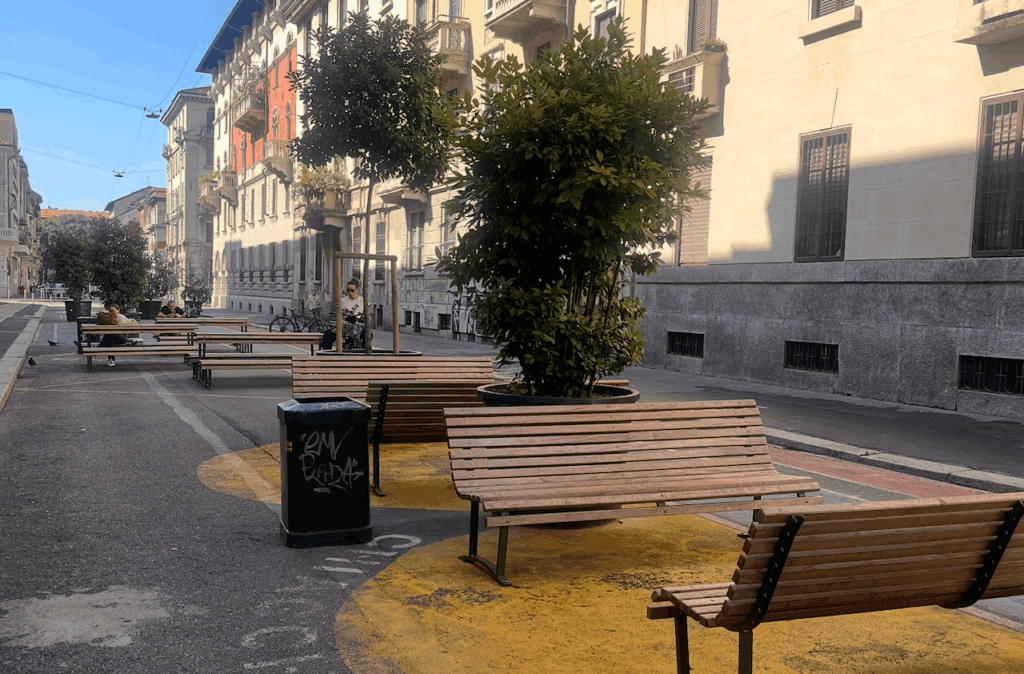
The work is expected to take only about a month but comes with a hefty price tag. Del Prete managed to secure funding from an Italian biscuit company for the project. But he said the Milan city council has offered only words of support, not financial help.
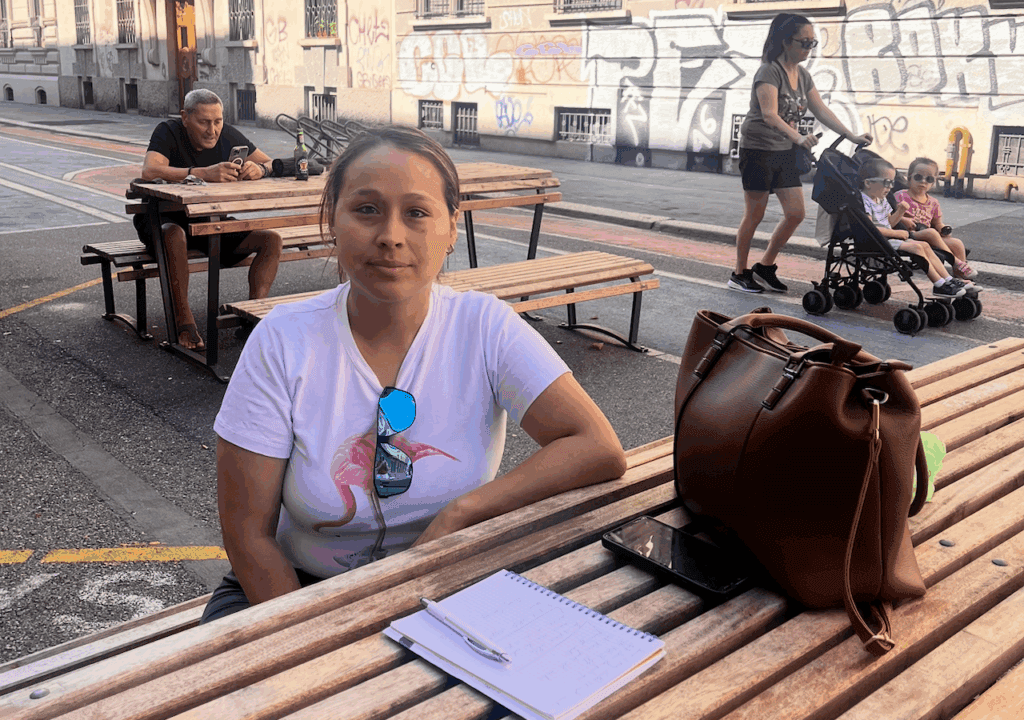
For 27-year-old Summy Sanchez, a caregiver originally from Peru, the colourful street already offers some respite.
“I come here every morning because it’s quiet and peaceful. I call it the park,” Sanchez said.
Milan, she noted, feels much hotter than her home city of Lima, and very hot days make the car-free space invaluable. The woman Sanchez cares for finds the heat intolerable.
“All the time, she complains, ’It’s too hot, too hot,’” she said.
As cities across Italy are placed under the highest red heat alerts, and without sufficient help from lawmakers, some residents in Milan are taking matters into their own hands.
Paola Beritelli, a volunteer with Auser, an Italian association that supports older adults and at-risk groups, said the elderly are especially vulnerable during heat waves. Not only because of the physical effects of the heat but because extreme temperatures often force older residents to stay indoors, increasing isolation.
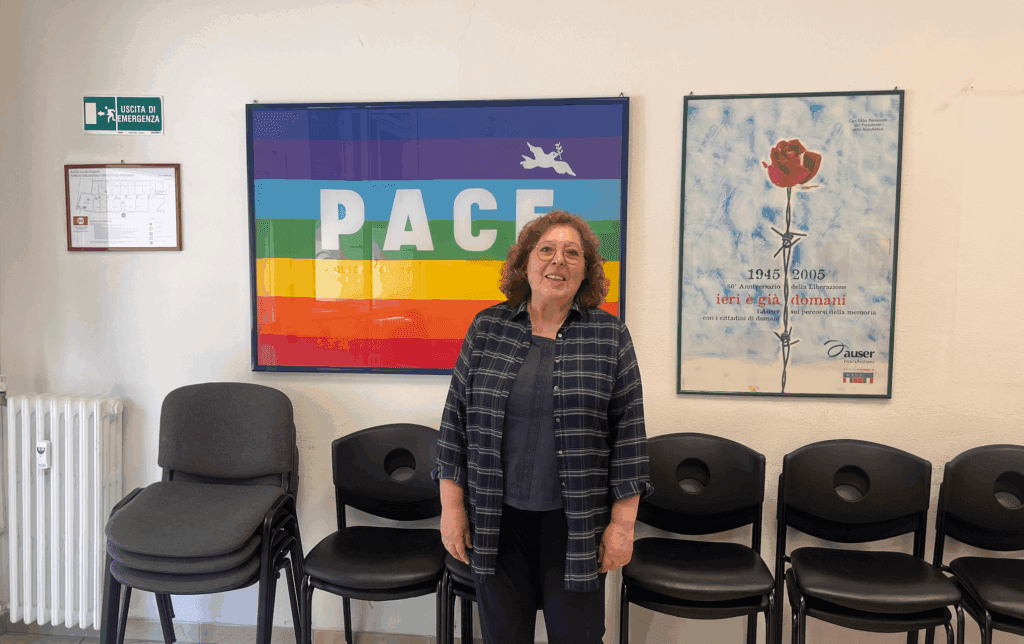
“Everybody is affected by climate change, but older people can end up being totally closed off from society,” Beritelli said. She and her colleagues visit seniors at home and take them for walks in the cooler early morning or evening hours. It’s only a small measure, she said but every bit of human contact during extreme weather events helps.
About three miles south of Milan, in the town of Opera, Red Cross volunteers have opened Italy’s first cooling center. Danilo Esposito, vice president of the local branch, explained that the facility, which opened in June, provides daytime activities and climate education specifically for seniors.
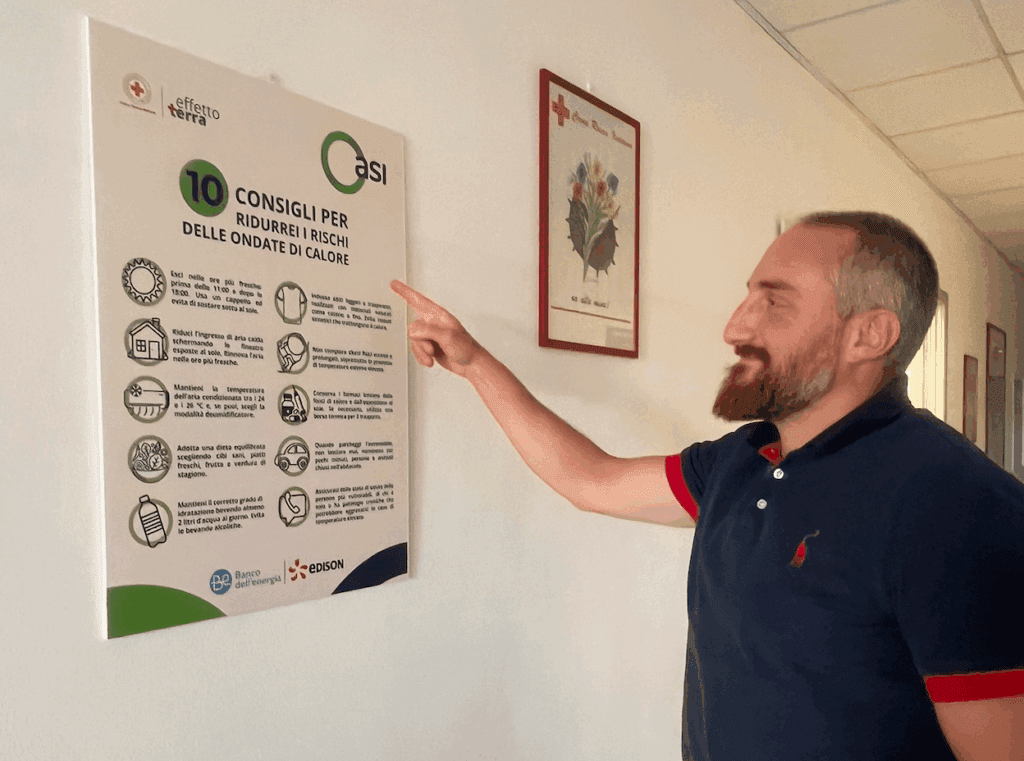
When temperatures soar, the center, which is powered by solar panels on the roof, opens its doors to anyone seeking relief from the heat. But Esposito said right now, many in the community don’t know that it exists.
The facility operates a shuttle bus to bring local residents to the center for afternoon talks on coping with extreme heat, accompanied by refreshments. At one of the talks, 80-year-old Rita Gennare was the only attendee. She lives on the sixth floor of an apartment building, and even with air conditioning, her home can become uncomfortably hot.
“It’s sometimes around 31 degrees Celsius (almost 88 degrees Fahrenheit) indoors,” she said.
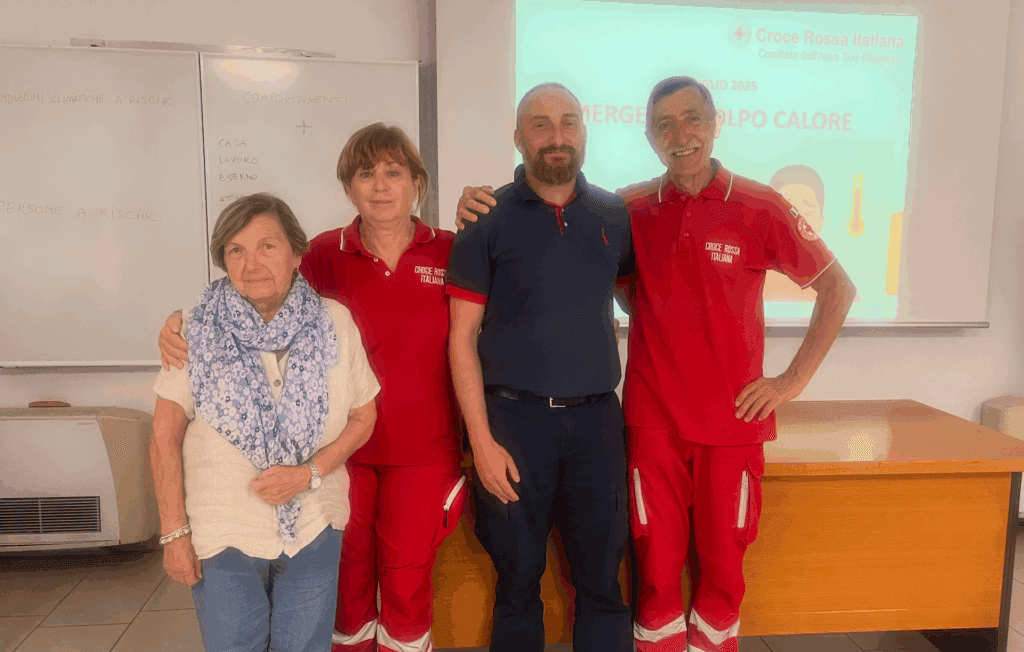
The cooling center is financed through a partnership between the Italian Red Cross, Banco dell’Energia — a nonprofit organization addressing energy poverty — and Edison, one of Italy’s major energy providers. Esposito said their first priority is simply making people aware of the facility.
These centers are common in the US and Spain, so he says there’s no reason why it wouldn’t also work in Italy.
“We may be the first cooling center in Italy but with climate change and the increasing heat waves we are experiencing, it will hardly be the last,” he said.
The initiative, run entirely by volunteers, however, has received little support from either the local municipality or national government.
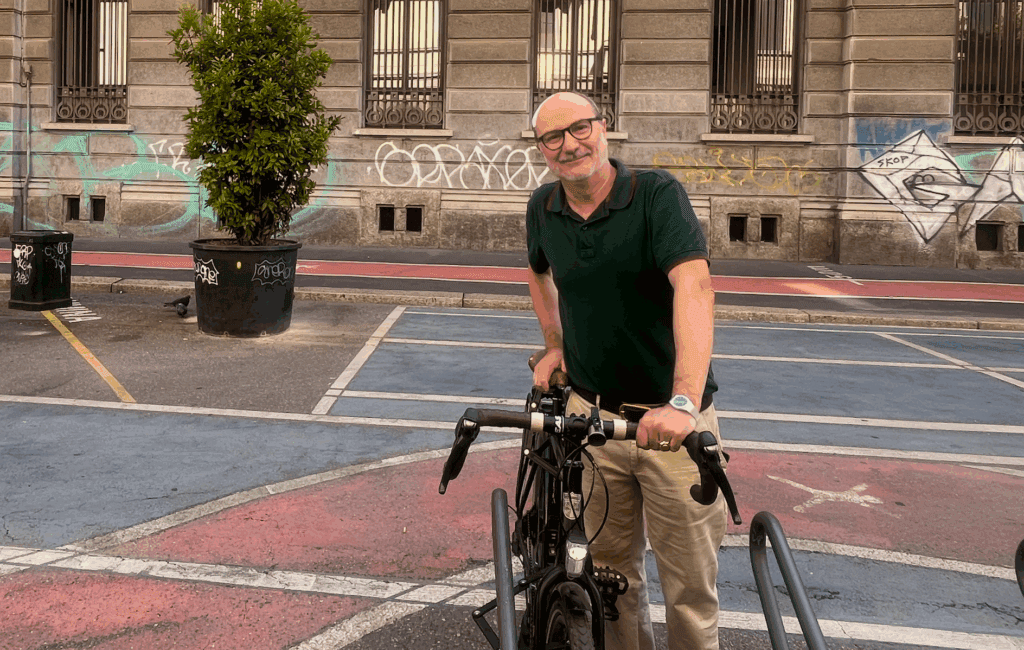
Environmental activist Federico Del Prete said this lack of financial support is a constant obstacle for those trying to tackle climate change in the country. Milan’s City Council is led by center-left Mayor Giuseppe Sala, but Del Prete argues the mayor takes too narrow a view of the city’s future.
Del Prete said planning a city for the future requires a vision. “Mayor Sala has only one vision — he sees Milan as the city of people that want to work, work, work.”
A city, Del Prete added, is much more than that: It’s about culture, history and creating a place where everyone can live.
Ilaria Sesana contributed to reporting.
