Public radio’s longest-running daily global news program.
©2026 The World from PRX
PRX is a 501(c)(3) organization recognized by the IRS: #263347402.

During the nearly two weeks of fighting between Israel and Iran, residents of Tehran were ordered to evacuate the city. But not everyone was able to leave. Of the people who remained, some of them found ways to help those who needed extra support.
Smoke rises up after an explosion in Tehran, Iran, June 13, 2025.
It was nighttime when Babak, a photographer in Tehran, spoke to the camera on his phone. He, like many others, was nervous about using his full name online because of security concerns.
“You’re hearing my voice from the most dangerous place in the world,” Babak said. “Tehran is empty, everyone has left. I’ve never seen the city like this.”
He added that gas stations across town, which had been packed until the day before, now had only three or four cars waiting in line. He then asked his followers to share the video he had posted online, so that those who had stayed behind in the capital would know they were not alone.
By that point, it was the seventh day in what ended up being nearly two weeks of fighting between Israel and Iran. The US was deliberating whether or not to join Israel in its fight. And residents of Tehran began to evacuate the city following orders from the Israeli military. But among those who had no choice but to remain, some found ways to help others who needed support amid the chaos.
Since the start of its attacks on Tehran on June 13, the Israeli military went on to issue evacuation orders for several parts of the city, posting them in Farsi on the military’s social media account, and often in the middle of the night.
The Iranian government severely restricted access to the internet during that time, so, many people didn’t see them. When word got out that US President Donald Trump posted on social media at 3:00 a.m. that “Tehran should evacuate,” panic spread across town.
“My father is a political prisoner,” Mehraveh Khandan, who lives outside the country, said in an emotional video she posted online. “Can you explain to me how he can evacuate?”
Khandan’s father, Reza, is a human rights activist and her mother is a well-known lawyer. Her fears were not unfounded. On June 23, Israel struck Evin prison where her father is being held, killing nearly 80 people and causing widespread damage. Her father survived the attack and was later moved to another prison.
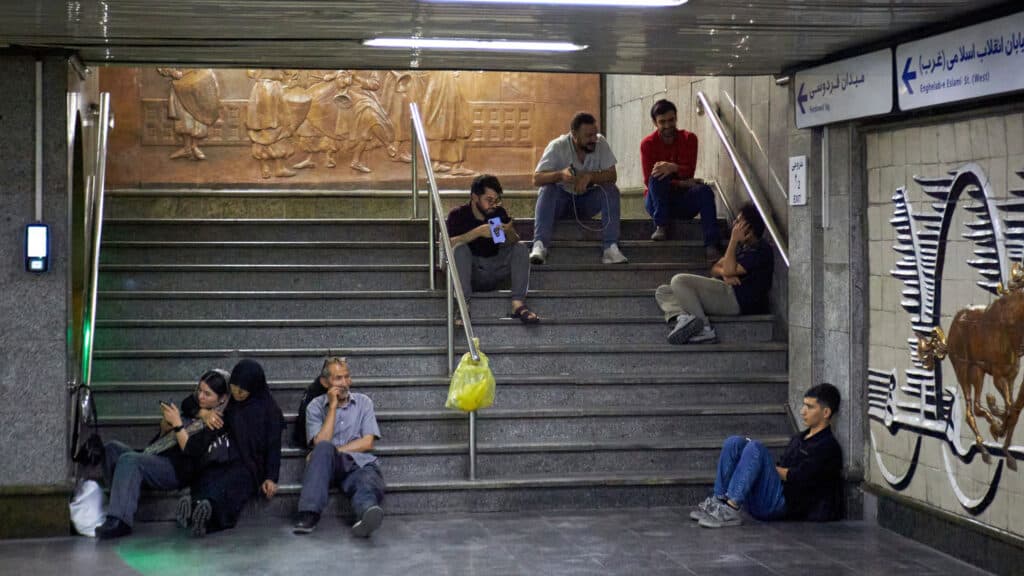
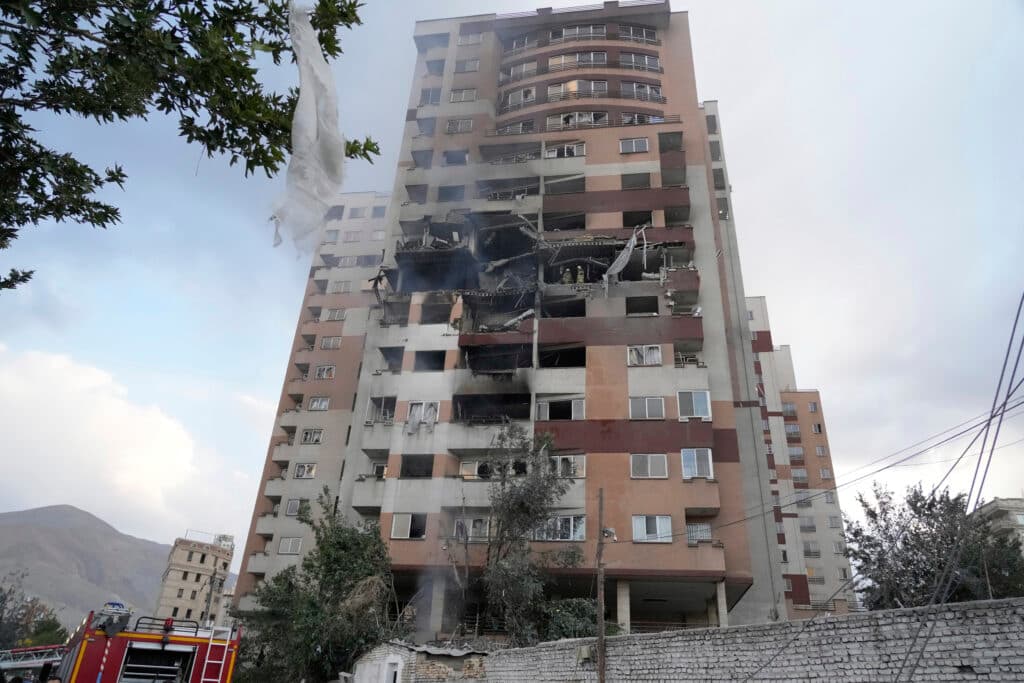
Even for those people not in prison but still stuck in Tehran, nights were spent sheltering in place, with the sound of explosions in the background. Apartment buildings there don’t have bomb shelters.
“One problem is that we don’t know which cities are safe,” translator Shirin Rastegarpour said. “Who knows if the place we get to is bombed, as well?”
Rastegarpour, who decided to stay in Tehran, set up a support group to help the elderly and sick who were able to leave the city.
“It’s me, my sister and a couple of friends who I trust,” she said.
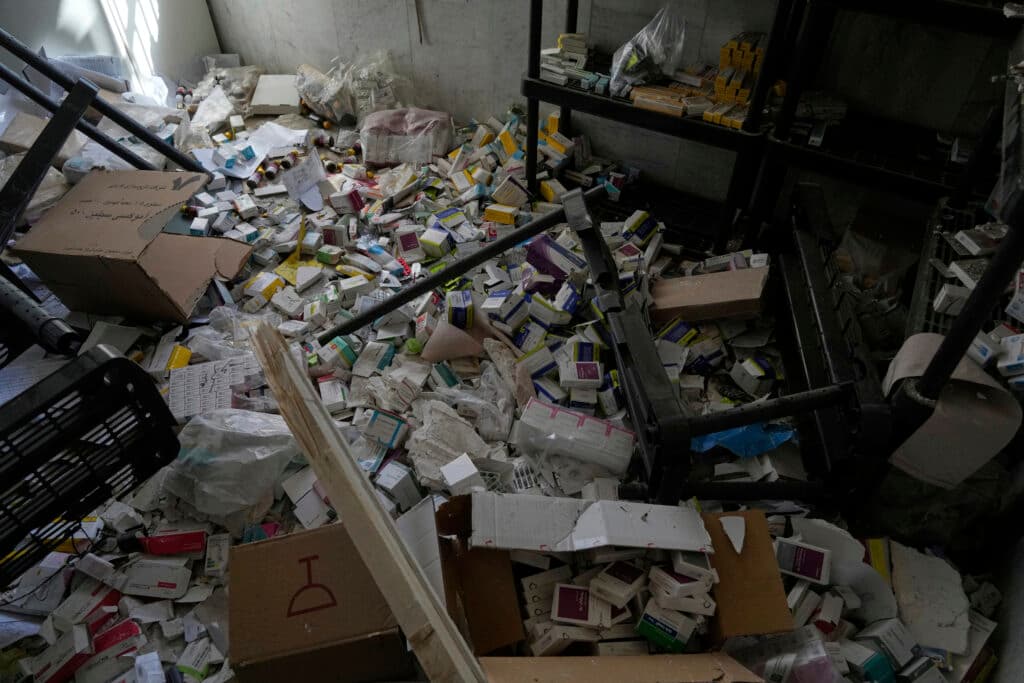
They went around Tehran and helped people buy groceries or any medication they might need.
Rastegarpour said that since she put out a post online about helping those in need, she received many messages from Iranians who live abroad, requesting help for their relatives back home.
She described helping an older man who recently had surgery and needed care for his wounds.
“Sometimes, we get calls about people who are scared and need someone to talk to,” she said. “We go to them and try to calm them down.
Acts of solidarity and kindness took place all over Iran.
One mechanic said he went up and down the highways leading out of Tehran to help anyone whose car had broken down.
Another person who owns an appliance store and sells his items on installments said, “In this current situation I don’t expect anyone to be able to pay on time and it’s OK.”
In a video posted online, one man said he even got a discount at a supermarket when the owner found out he had been displaced from Tehran.
The Iranian government recently announced that more than a thousand people were killed during the conflict, many of them civilians. It said that the death toll could rise, even though the fighting has stopped for now, because thousands of other people were also injured. Meanwhile, Israel says at least 28 Israelis were killed in strikes from Iran.
The US did end up briefly entering the war on Israel’s behalf, striking three of Iran’s major nuclear sites.
While they waited for the fighting to end, residents tried to create small moments of distraction amid all the horrors.One moment that captured the whole situation was a video of a man playing his violin on the streets of Tehran — bright lights from the airstrikes visible in the sky above him.
