UN human rights chief Navi Pillay begins Zimbabwe visit
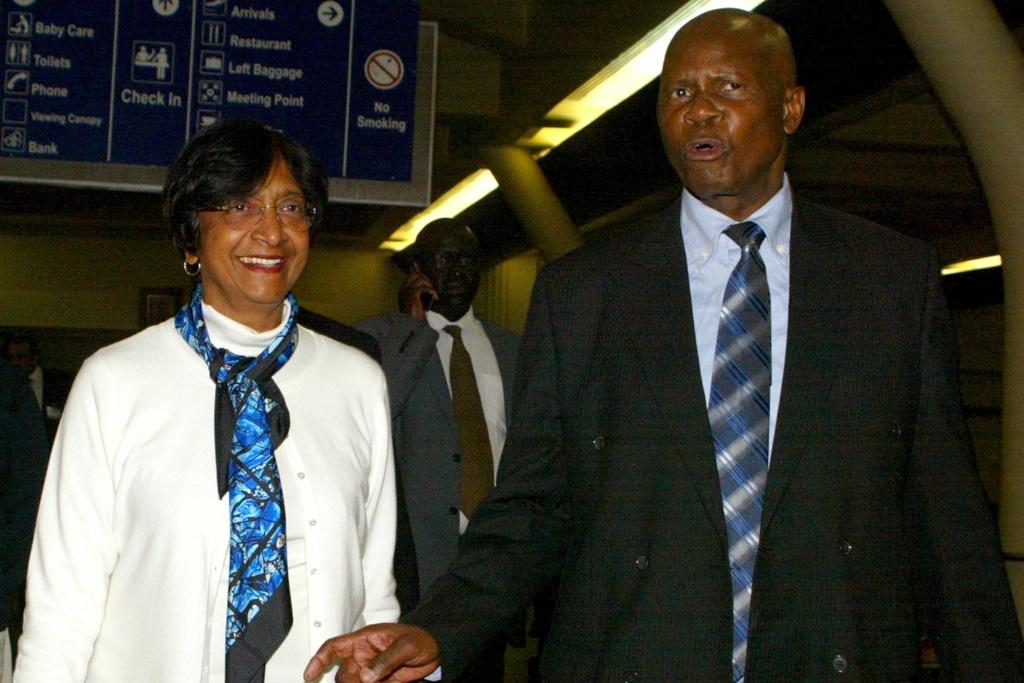
The UN High Commissioner for Human Rights Navi Pillay, left, is welcomed by Zimbabwe Justice Minister Patrick Chinamasa upon arrival in Harare on May 20, 2012 for a five day visit to asses the human rights situation in Zimbabwe.
UN human rights chief Navi Pillay has begun a five-day visit to Zimbabwe, the first such trip since President Robert Mugabe seized power in a violent and disputed election in 2008.
Mugabe was accused of deploying the Zimbabwean military to attack supporters of his rival, Prime Minister Morgan Tsvangirai, after losing the first round vote, and Pillay’s visit comes two weeks after a landmark decision in which a South African court – citing South Africa’s obligations to the International Criminal Court – ordered prosecutors to investigate Zimbabwean officials over allegations that they tortured opposition figures in 2007, the BBC reports.
Pillay, from South Africa, is expected to meet both Mugabe and Tsvangirai later this week, but Mugabe’s justice minister, Patrick Chinamasa, said Monday that reports of torture and violence against political activists were “lies.”
“There is no state-sponsored violence, these are all lies. We told her that there are no torture chambers in Zimbabwe,” Chinamasa told reporters in Harare following an hour-long meeting with Pillay, according to the Agence France Presse. Pillay has refused to comment on her visit until the end of her trip on Friday.
Describing Monday’s meeting as “cordial,” Chinamasa said he had also told Pillay that Zimbabwe had no plans to change its policy of outlawing gay relationships and criminalizing gay sex.
“We made it clear that in our law homosexual activities are criminalized and that any person who commits homosexual activities will be arrested,” he said, according to the Associated Press.
Pillay is also scheduled to meet judges, lawmakers, defence officials and human rights defenders during her visit. Independent human rights groups, including Amnesty International, say hundreds of people have died due to systematic political violence over the past decade.
We want to hear your feedback so we can keep improving our website, theworld.org. Please fill out this quick survey and let us know your thoughts (your answers will be anonymous). Thanks for your time!