Google staff knew about Street View snooping, full FCC report says
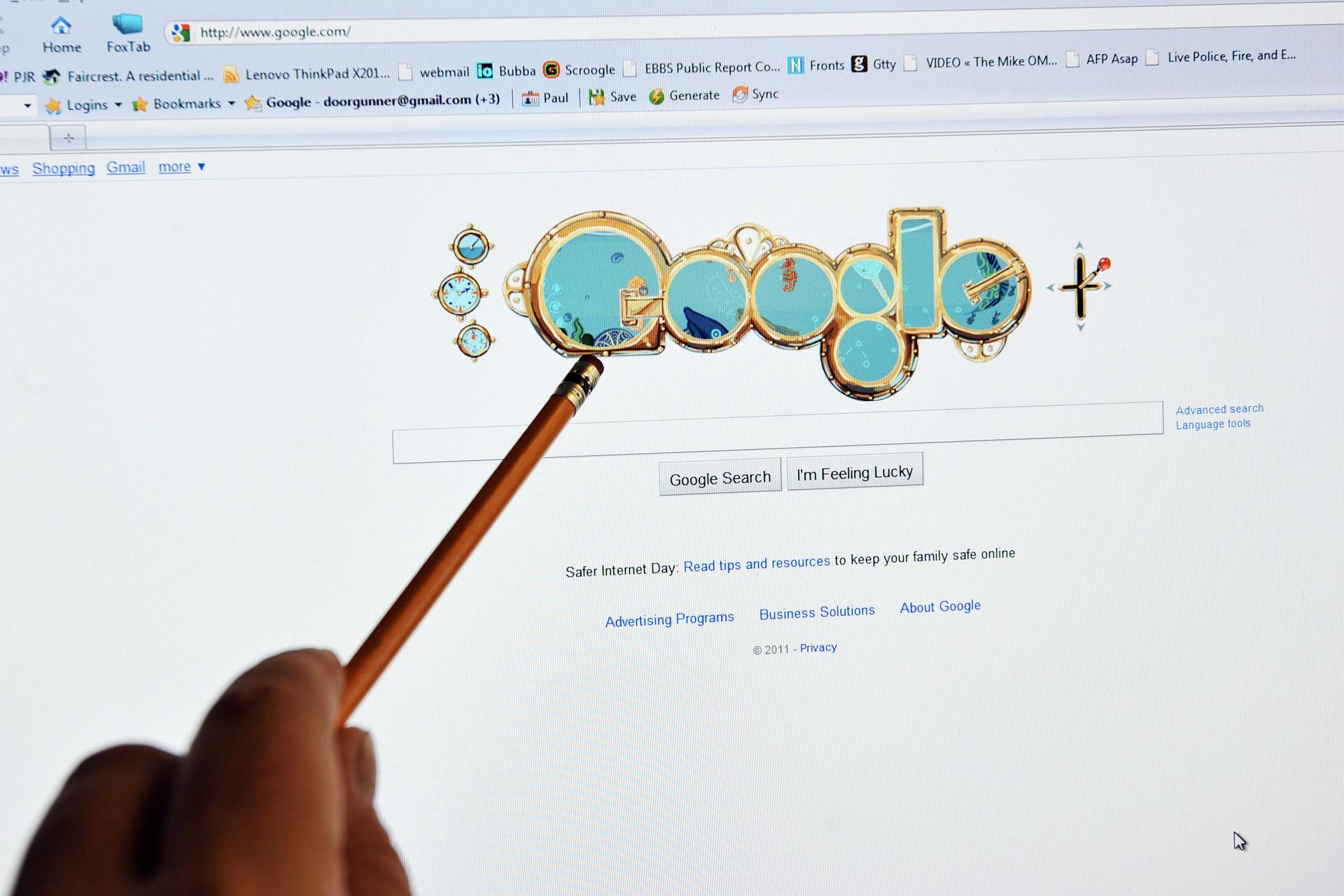
A man checks out the homepage of Google internet search engine in an office in Washington, DC, on Feb. 8, 2011, when Google paid tribute to Jules Verne, author of “Twenty Thousand Leagues Under the Sea.” Israel is debating letting in Google Street View.
A Google engineer intentionally captured personal data from unprotected wireless networks and told two other Google staffers about his snooping, an investigation by the US Federal Communications Commission reveals.
Google has been under fire for collecting personal data from millions of households while photographing areas with its Street View cars, the Los Angeles Times reported. The data collection included emails and web browsing history.
The FCC, investigating Google for the snooping, had decided two weeks ago that the company did not break any laws, but it fined Google $25,000 for impeding its investigation. At the time that it issued the fine, the FCC also released the results of its investigation, but the report was heavily redacted, BBC News reported.
Google has since decided to release a more detailed version of the FCC report, which raises new questions about the personal data collection.
More from GlobalPost: Promises, pitfalls await investors in Burma’s frontier
“We decided to voluntarily make the entire document available except for the names of individuals,” Google spokeswoman Jill Hazelbaker told the LA Times. “While we disagree with some of the statements made in the document, we agree with the FCC's conclusion that we did not break the law. We hope that we can now put this matter behind us."
Google employees who worked on Street View had originally told the FCC that they didn't know the software could gather personal data, Bloomberg News reported.
But, according to the report, an anonymous engineer collected the data intentionally, and planned to use it for future projects. The engineer also told two other staffers about his plans, including a senior manager, the LA Times reported.
Every day, reporters and producers at The World are hard at work bringing you human-centered news from across the globe. But we can’t do it without you. We need your support to ensure we can continue this work for another year.
Make a gift today, and you’ll help us unlock a matching gift of $67,000!