The Ebola outbreak in West Africa is like ‘wartime,’ experts warn
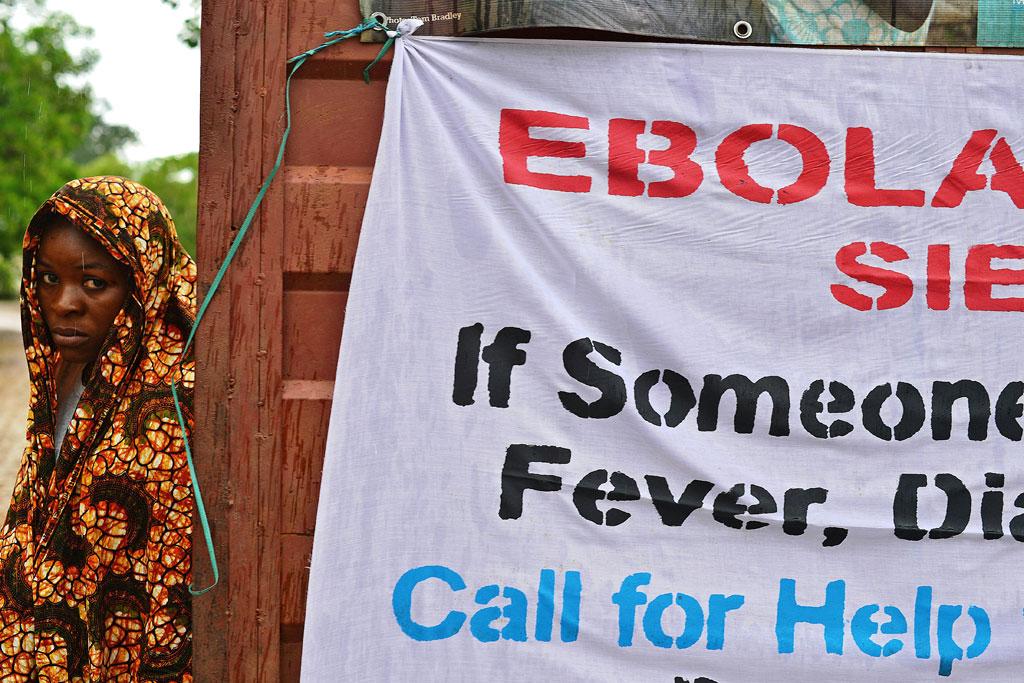
A woman stands by the gate of the government hospital under the rain in Kailahun, on Aug. 14, 2014.
It will take about six months to bring under control the Ebola epidemic, the head of Medecins Sans Frontieres said on Friday, saying the outbreak in West Africa felt like "wartime, is moving, advancing."
Joanne Liu, international president of MSF (Doctors Without Borders), speaking after a 10-day trip to West Africa, said more experts were needed on the ground and was critical of the World Health Organization (WHO) for declaring Ebola a "public health emergency of international concern" only on Aug 8.
"We need people with a hands-on operational mindset," to combat the outbreak, Liu told a news briefing in Geneva.
More from GlobalPost: Here's how researchers in Boston spotted the Ebola outbreak before the World Health Organization
Liu said she had conveyed those messages to the WHO and "that I think the wake-up call was too late in calling it a public health emergency of international concern."
"I think we have a common understanding on it now," Liu said. "Now we have to find out how that is translated into concrete action in the field … a statement will save lives only if followed up on the ground."
More from GlobalPost: How the Ebola outbreak turned into a racism and responsibility debate
On Thursday, the WHO said staff in West Africa had seen evidence that the numbers of reported cases and deaths vastly underestimate the scale of the Ebola outbreak and said it would coordinate "a massive scaling up of the international response."
The death toll from the world's worst outbreak of Ebola stood on Wednesday at 1,069 from 1,975 confirmed, probable and suspected cases. The majority were in Guinea, Sierra Leone and Liberia, while four people have died in Nigeria.
"If we don't stabilize Liberia, we will never stabilize the region. Over the next six months we should get the upper hand on the epidemic, this is my gut feeling," Liu said.
(Reporting by Stephanie Nebehay; Editing by Janet Lawrence)
We want to hear your feedback so we can keep improving our website, theworld.org. Please fill out this quick survey and let us know your thoughts (your answers will be anonymous). Thanks for your time!