Chechnya and Dagestan: troubled corners
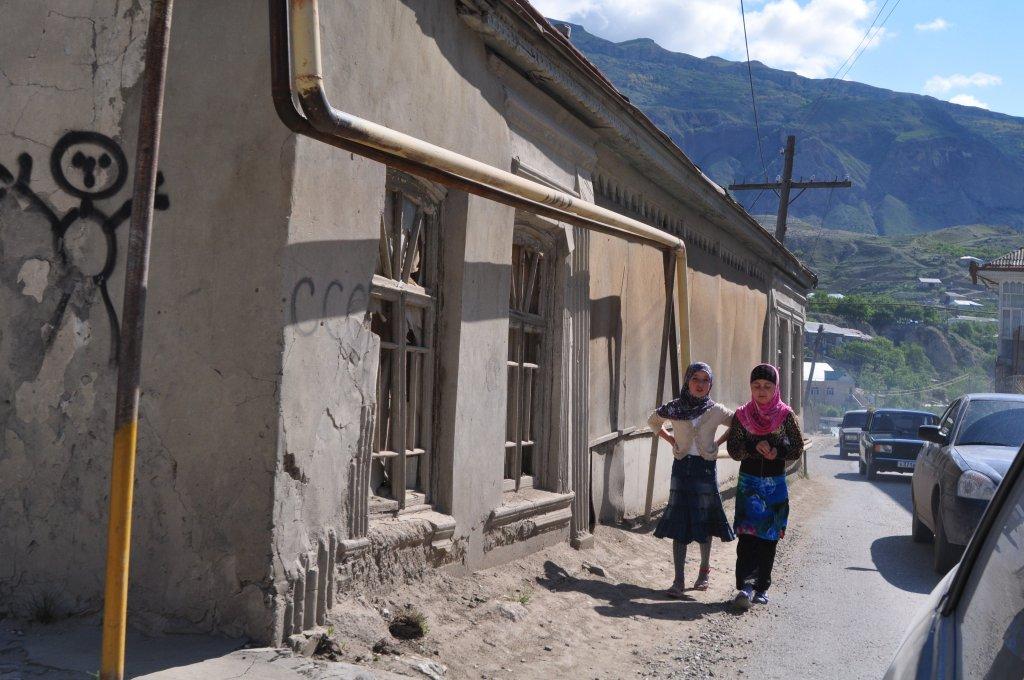
Two girls walk in a mountain village on the road from Makhachkala to Balakhani in Dagestan in May 2010.
BOSTON — In Boston, questions abound. A manhunt is underway for the remaining live suspect in the marathon bombings that occurred earlier this week.
Halfway around the world, there may be some answers.
The two suspects are said to be brothers with ties to Chechnya, points out GlobalPost's Europe editor, Gregory Feifer. Dzhokhar Tsarnaev, 19, and 26-year-old Tamerlan, reportedly fled the war in Chechnya with their family before receiving asylum in the US.
There are also reports that Dzhokar was a student in a school in Makhachkala, the capital of the Dagestan Region next to Chechnya from 1999 to 2001.
There is no evidence yet that the bombing suspects had any links to extremist groups from these areas, but years of civilian deaths and atrocities have helped nurture Islamist militancy in the north Caucasus, an area that includes Chechnya and Dagestan, and about a half dozen other republics.
Moscow fought a war to subdue separatist Chechnya from 1994 to 1996, when rebels forced Russian troops out of the region. Then-Prime Minister Vladimir Putin launched a second war there in 1999.
Now run by Kremlin-installed strongman Ramzan Kadyrov, however, Chechnya is more stable than surrounding areas where violence and instability have spread.
Dagestan is now considered the most volatile region. Locals live under a heavy military presence and suffer regular human rights abuses. Shootings and bombings by militants take place there almost daily.
GlobalPost has been covering the simmering militancy there for years.
In 2010, Miriam Elder traveled to Balakhani, a quiet village tucked into the towering mountains of Dagestan, just months after two women from the area blew themselves up in the Moscow metro, killing 40 people in an attack that brought terror back to the Russian capital after a six-year respite.
GlobalPost'scoverage of the Islamic militancy brewing in Dagestan
Elder reports on the rampant unemployment and poor living conditions in Dagestan that create fertile recruiting ground for hardline believers, and for those who believe in violence.
GlobalPost also took a trip through Chechnya, an area that has long fascinated, and terrified, the Russian consciousness.
We want to hear your feedback so we can keep improving our website, theworld.org. Please fill out this quick survey and let us know your thoughts (your answers will be anonymous). Thanks for your time!