Public radio’s longest-running daily global news program.
©2026 The World from PRX
PRX is a 501(c)(3) organization recognized by the IRS: #263347402.

As US and Iranian officials meet for indirect talks in Oman, Iranians fleeing the government crackdown in their country share their thoughts and experiences. Many remain worried about their relatives back home and the uncertainty of their nation’s future.
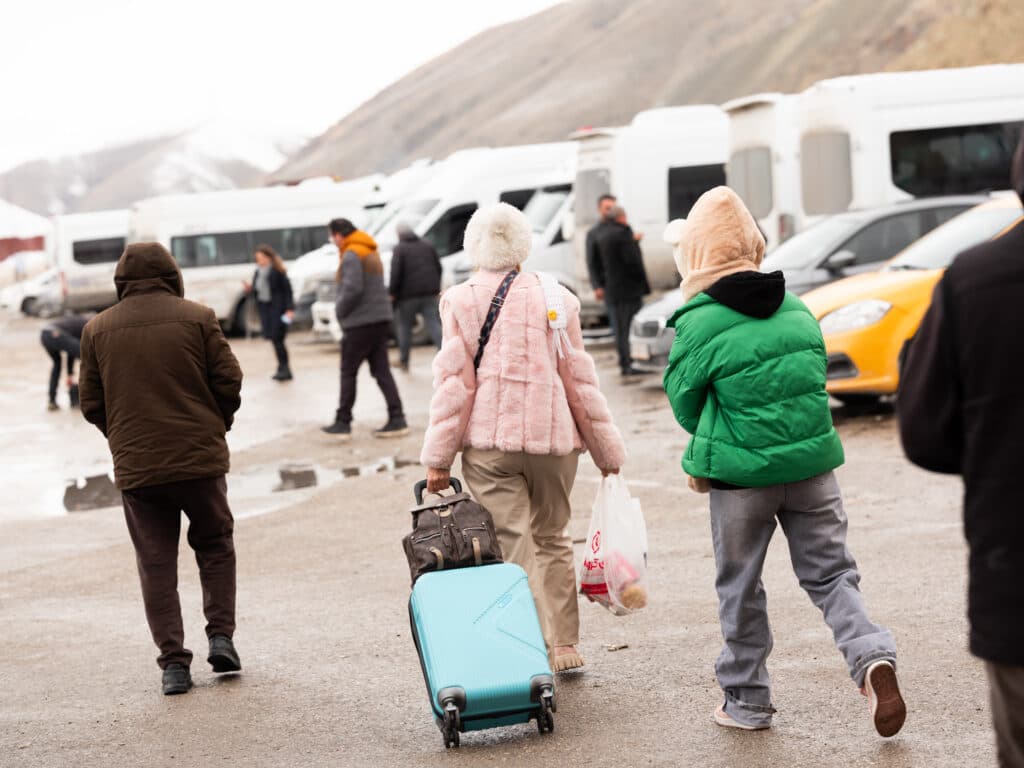
Iranian nationals cross the border into Turkey after a government crackdown on protests in Iran.
Last month in Tehran, a computer scientist watched as police shot and killed demonstrators from the third floor of her apartment window. She stepped back from the window and closed the curtains. A couple of days later, when she went to the bank, she saw authorities cleaning blood from the main road near her home. Then they arrested and executed a neighbor who was using Elon Musk’s Starlink to access the internet.
The computer scientist is only 24 years old, but she says the trauma of what she witnessed has aged her beyond her years. She and others interviewed asked for anonymity to protect their families still inside Iran, who the regime can target if they speak against it.
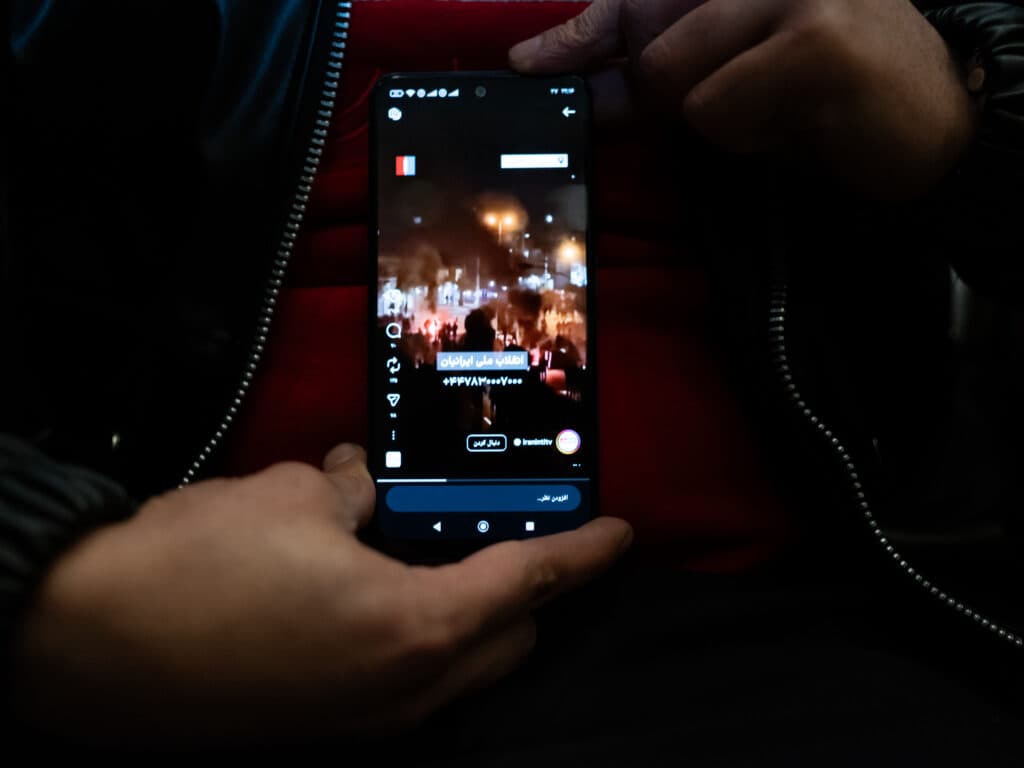
“I had so much stress at the airport before getting on the plane. They took our phones and checked for videos at the airport,” she said. “I had deleted everything on my phone.”
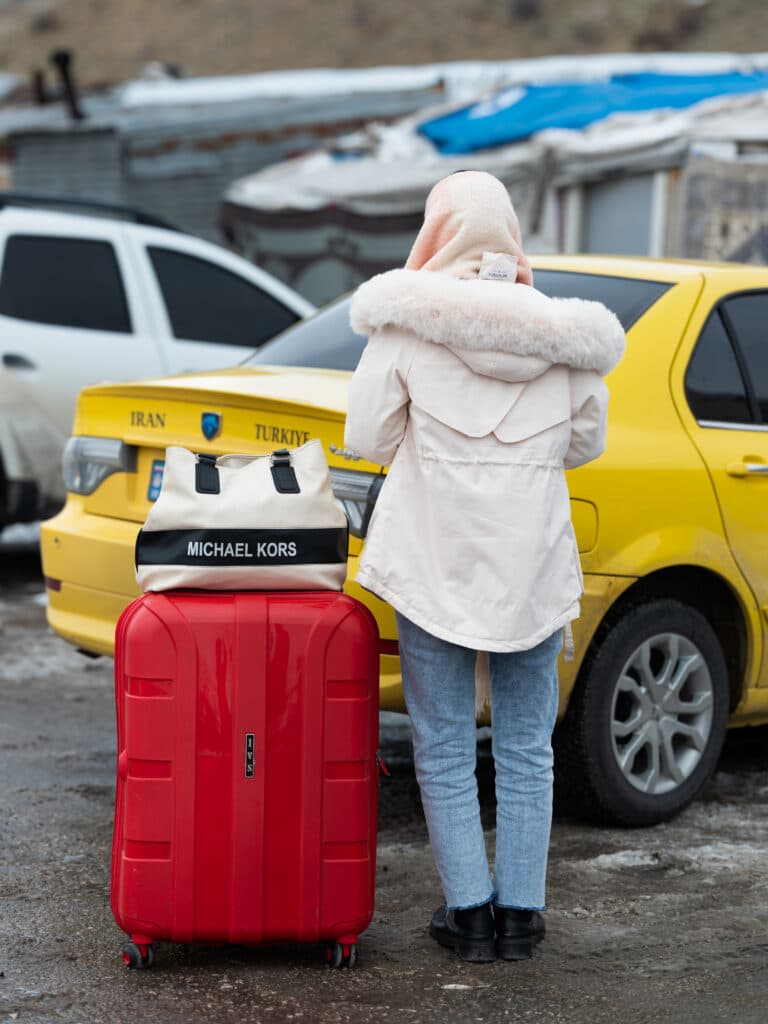
As flights resumed after a month of cancelations from Tehran to Istanbul, Iranians on their way to Turkey said they could breathe a sigh of relief after witnessing the bloodshed in Iran in the largest uprising since the 1979 Islamic Revolution.
Iranian nationals don’t need visas to travel to Turkey and can stay as tourists for up to three months.
But they are worried about their relatives at home as the uncertainty of Iran’s future hangs in the balance.
“I have no future inside Iran, and I’m lucky to have gotten out. But my heart and my mind are with my family,” the computer scientist said.
She’s headed to Britain to get her doctorate at a university in London with an education visa she obtained before the protests broke out.
At least 6,000 people have been killed, according to human rights organizations, and tens of thousands have been arrested after protests broke out in December due to the economic crisis in the country.
The regime’s brutal crackdown stopped the mass movement that grew, calling for regime change.
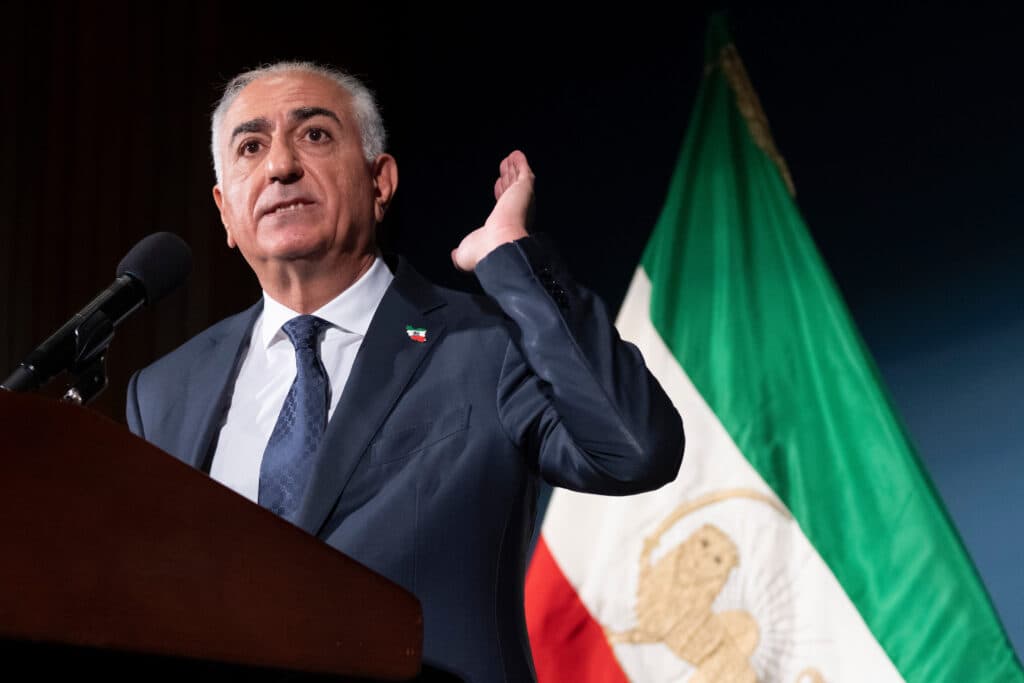
Many Iranians went to the streets in support of the US-based opposition leader Reza Pahlavi, the son of the deposed Iranian king who died in exile, after he called on them to protest on social media on January 8. Pahlavi and US President Donald Trump promised demonstrators protection but that help never came as Iranian authorities used military grade weapons to attack the protesters.
The Islamic Republic blamed the violence on its enemies, including Israel’s Mossad intelligence agency. Even doctors who treated injured protesters are being prosecuted now.
Iranians have continued to resist on the streets in smaller protests this month as they face threats from their own government, as well as calls for war from the Trump administration, which has mobilized the US military in the region.
Turkey, a NATO member, stepped in to mediate and encourage diplomacy, fearing another migration crisis on its border and instability in the region. Turkey is host to one of the largest refugee populations in the world, including Syrians, Afghans and Iranians.
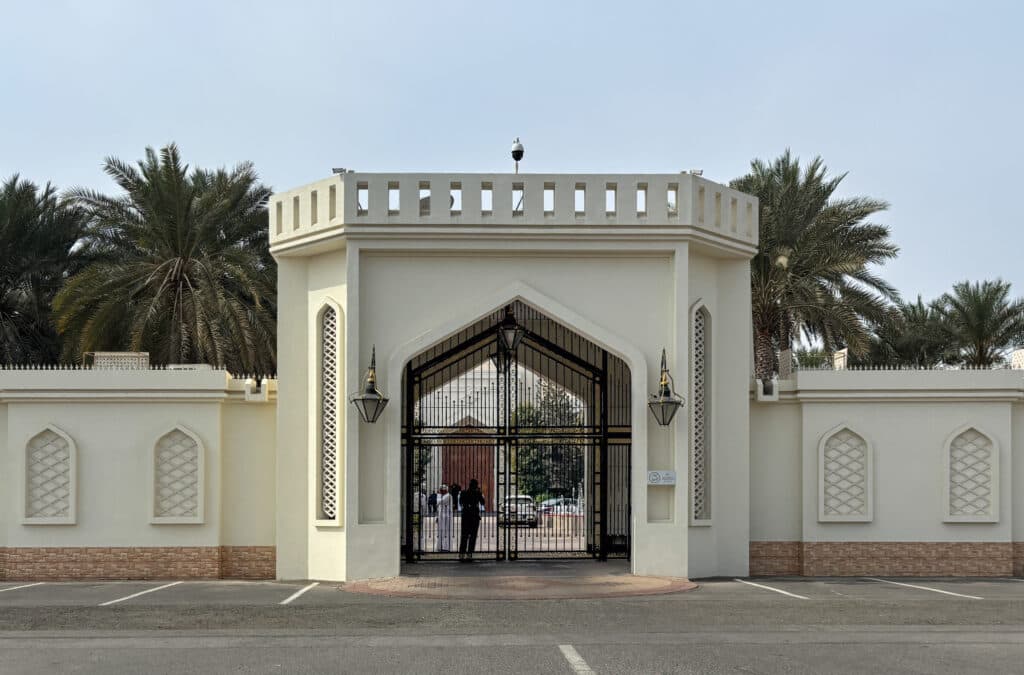
Talks between the US and Iran were scheduled for today in Istanbul, but Iran requested that the venue be moved to Oman.
As American and Iranian diplomats meet in Muscat to negotiate a plan, Iranians in Turkey remain on edge.
“I have to return. How could I leave my aging parents alone? They need me,” a yoga teacher from Tehran said. “I just came here to take my mind off what I saw.”
The middle-aged yoga teacher flew in with her niece, a university student who had protested in January and was tear-gassed.
They are staying with a friend in Istanbul temporarily.
“This regime has to fall. That’s the only way we can have a real future,” the university student said.
Her aunt, the yoga teacher, agrees but says the only way for that to happen organically is if more Iranians rise against their government, especially those in the military.
“I’m going back to continue fighting. I’m that rioter the regime hates. I will burn down their mosques and their buildings,” the yoga teacher said, showing videos that captured the violence in the January protests. “No one has paid me — not Israel, not America. I will do it to avenge the children of Iran who were unlucky enough to be born under this regime’s ideology and brutality.”