Public radio’s longest-running daily global news program.
©2026 The World from PRX
PRX is a 501(c)(3) organization recognized by the IRS: #263347402.
Here’s what you’ll find on today’s show:
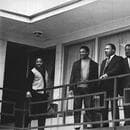
— On April 4, 1968, Dr. Martin Luther King Jr., was assassinated while standing on the balcony of the Lorraine Motel in Memphis, Tennessee. King was in Memphis to support the city’s striking sanitation workers who were protesting abusive working conditions and low wages. Today, the Lorraine Motel stands as it did back in 1968, no longer a functioning motel, it’s part of the National Civil Rights Museum and its most famous occupant has become implanted in our national consciousness. King has become an icon of the Civil Rights Movement and a symbolic figure for many, but for Charles McKinney, associate professor of history at Rhodes College, there’s a danger in the way King’s image has been enshrined in our country’s ethos, and it should not be ignored.
— The premiere of VICE’s sixth season examines the juvenile justice system, following “The Wire” actor Michael Kenneth Williams as he explores grass-roots solutions that communities across the country are deploying to try to quell the school-to-prison pipeline. There are more than 850-thousand juvenile arrests a year. The juvenile incarceration rate in the U.S. is the highest in the world with around 49,000 youth in lock-up daily. Williams, who grew up in the Vanderveer public housing complex in Brooklyn, New York, says he has seen first-hand how both family and close friends were caught up in the criminal justice system from a young age.
— The border has become a defining issue in American politics. On Tuesday, in lieu of getting his wall, President Trump promised that he would place military on the front lines to enforce the border. It’s not clear where that plan is headed, but there is in fact a border policy in place, and the reason why you might not have heard about it, is that it’s largely invisible. It’s called Prevention Through Deterrence, and it started in the mid 1990s. Its development, and its consequences, are the focus of a new three part series from our partner at WNYC, Radiolab, called “The Border Trilogy.”