Chile judges apologize for role in Pinochet regime abuses
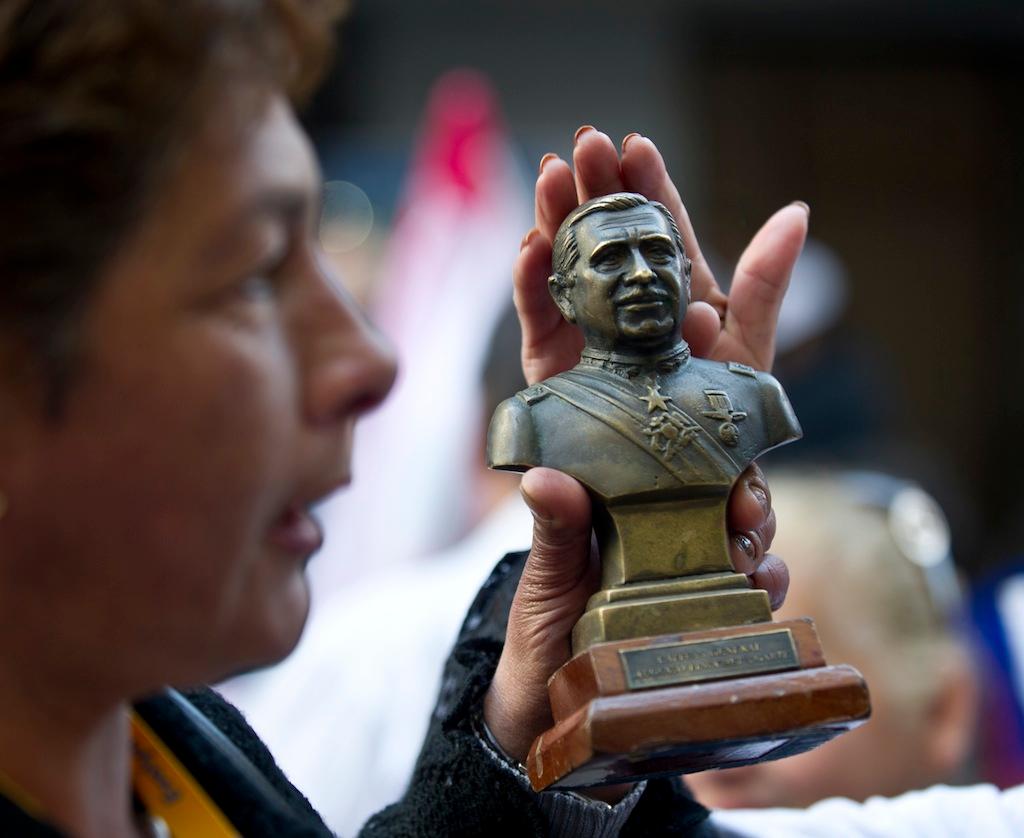
A judges association in Chile has apologized on behalf of the legal system for its failure to protect human rights during the regime of Augusto Pinochet.
A Chilean association of judges issued a long-awaited apology Thursday for abuses committed during the regime of dictator Augusto Pinochet.
“To those who were victims of state abuse …the time has come to ask for the forgiveness of victims … and of Chilean society,” said the Chilean Judges’ Association in a statement.
The apology comes nearly 40 years after the September 11, 1973 coup that ousted socialist leader Salvador Allende and installed Pinochet.
Pinochet's rule, from 1973 to 1990, was marked by allegations of abuse, disappearances and torture.
Chile's court system is considered to have been complicit in the human rights violations, shrugging off victims' complaints and denying it had information about the fate of those who disappeared.
More from GlobalPost: Latin America: Divided we stand
The judges reportedly rejected 5,000 cases of loved ones searching for their family members after they had been abducted or killed by the Pinochet government.
It is believed that Pinochet's regime killed over 3,200 people and tortured nearly 40,000.
“It must be said and recognized clearly and completely: the court system and especially the Supreme Court at that time, failed in their roles as safeguards of basic human rights, and to protest those who were victims of state abuse,” the judges said.
Every day, reporters and producers at The World are hard at work bringing you human-centered news from across the globe. But we can’t do it without you. We need your support to ensure we can continue this work for another year.
Make a gift today, and you’ll help us unlock a matching gift of $67,000!